
Bajan Culture
Warm, expressive, resilient and proudly Caribbean, Bajan culture lives in our music, food, language, architecture, festivals, sport and the everyday rhythm of island life.
Explore Barbados Island Tours Plan a Cultural TourBajan culture is the living heartbeat of Barbados. It can be heard in the rhythm of a tuk band, tasted in a plate of flying fish and cou-cou, seen in the decorative fretwork of a chattel house and felt in the easy conversation that begins when someone greets you with a warm “good morning.”
Barbados is often promoted for its beaches, but the island’s real character is found in its people and communities. Centuries of Indigenous presence, African heritage, British colonial influence, plantation society, emancipation, migration and national development have shaped a culture that is layered, confident and constantly evolving. Exploring it with Sweet Life Barbados Island Tours gives visitors the opportunity to move beyond the resort and experience Barbados through local stories, historic places and authentic encounters.
What Does Bajan Culture Mean?
“Bajan” is the familiar word used for Barbadians and things belonging to Barbados. Bajan culture includes both the visible features visitors quickly notice and the less obvious values that shape everyday life. Music, dance, cuisine and festivals are important, but so are respect, resourcefulness, family ties, community networks, education, faith, humour and the habit of turning ordinary moments into lively conversation.
There is no single version of Bajan life. Bridgetown, fishing villages, rural districts, coastal towns and newer residential communities each have their own rhythm. Generations also experience the island differently. Yet across these differences, Barbadians share a strong attachment to place, national identity and the stories that connect the present to the past.
Proudly Barbadian
Bajans are deeply proud of the island’s achievements, institutions, artists, athletes, educators and international influence.
Community-Minded
Churches, schools, sports clubs, villages, workplaces and extended families remain important centres of social connection.
Warm but Observant
Hospitality is genuine, but respect matters. A simple greeting and courteous manner open many doors in Barbados.
History, Heritage and the Making of Modern Barbados
Barbadian identity has been shaped by a complex history. Indigenous peoples lived on the island before English settlement began in the seventeenth century. The plantation economy that followed was built on the exploitation and forced labour of enslaved Africans, whose descendants profoundly shaped Barbados through language, food, music, religion, craft, resistance and community life.
Sugar dominated the island for centuries, influencing settlement patterns, architecture, wealth, labour and social relations. Emancipation did not immediately remove inequality, but formerly enslaved Barbadians and their descendants created families, villages, businesses, churches, friendly societies, trade unions, political movements and educational institutions that transformed national life.
Barbados gained independence on 30 November 1966 and became a parliamentary republic on 30 November 2021. Modern Bajan culture reflects both continuity and change: respect for tradition sits alongside innovation in music, design, cuisine, technology and the wider creative economy.
Historic Bridgetown and its Garrison
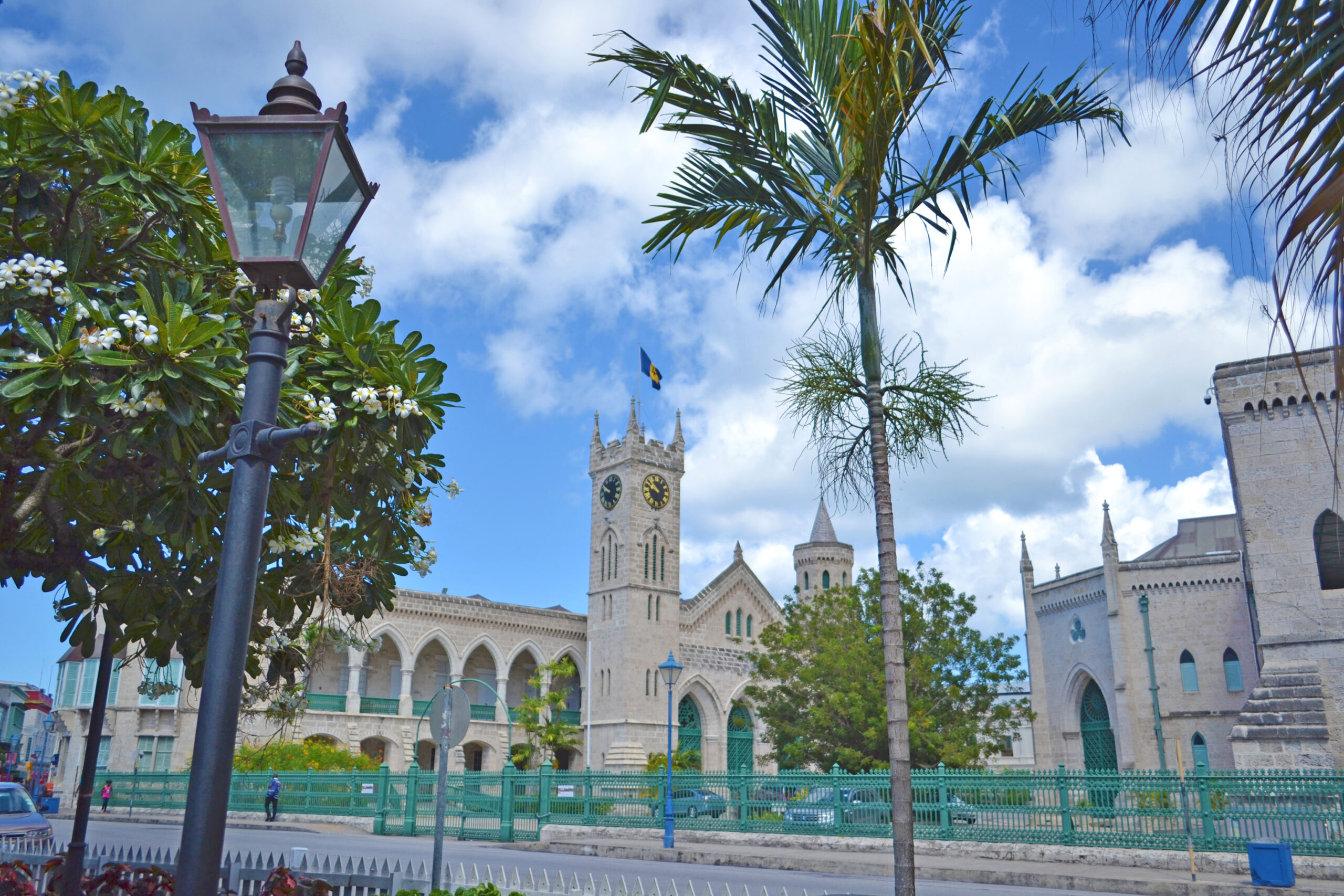
Historic Bridgetown and its Garrison was inscribed as a UNESCO World Heritage property in 2011. Its streets, military buildings, Parliament, Careenage and surrounding landmarks help tell the story of Barbados as a colonial port, military centre and modern capital.
Bajan Language, Expressions and Humour
English is the official language of Barbados, while Bajan speech gives local conversation its distinctive sound, pace and personality. Bajan is not simply “incorrect English.” It is a meaningful Caribbean creole shaped by historical contact, African language patterns, English vocabulary and the lived experience of Barbadians.
The language can vary by age, community and setting. A person may use formal Standard English at work and shift naturally into Bajan speech among family and friends. Visitors may hear familiar words pronounced differently, shortened phrases, colourful comparisons and expressions that rely heavily on tone and context.
Humour is a major part of Bajan communication. Teasing, storytelling, clever exaggeration and quick verbal responses can turn a normal conversation into entertainment. Much depends on relationship and tone, so visitors should enjoy the language without trying too hard to imitate it.
The Sound of Barbados: Tuk, Calypso, Soca and Beyond
Music is one of the strongest expressions of Barbados culture. The island’s soundtrack includes calypso, soca, spouge, gospel, reggae, dancehall, steel pan, tuk music and contemporary fusions. Music accompanies celebration, social commentary, worship, competition and everyday leisure.
Tuk Bands
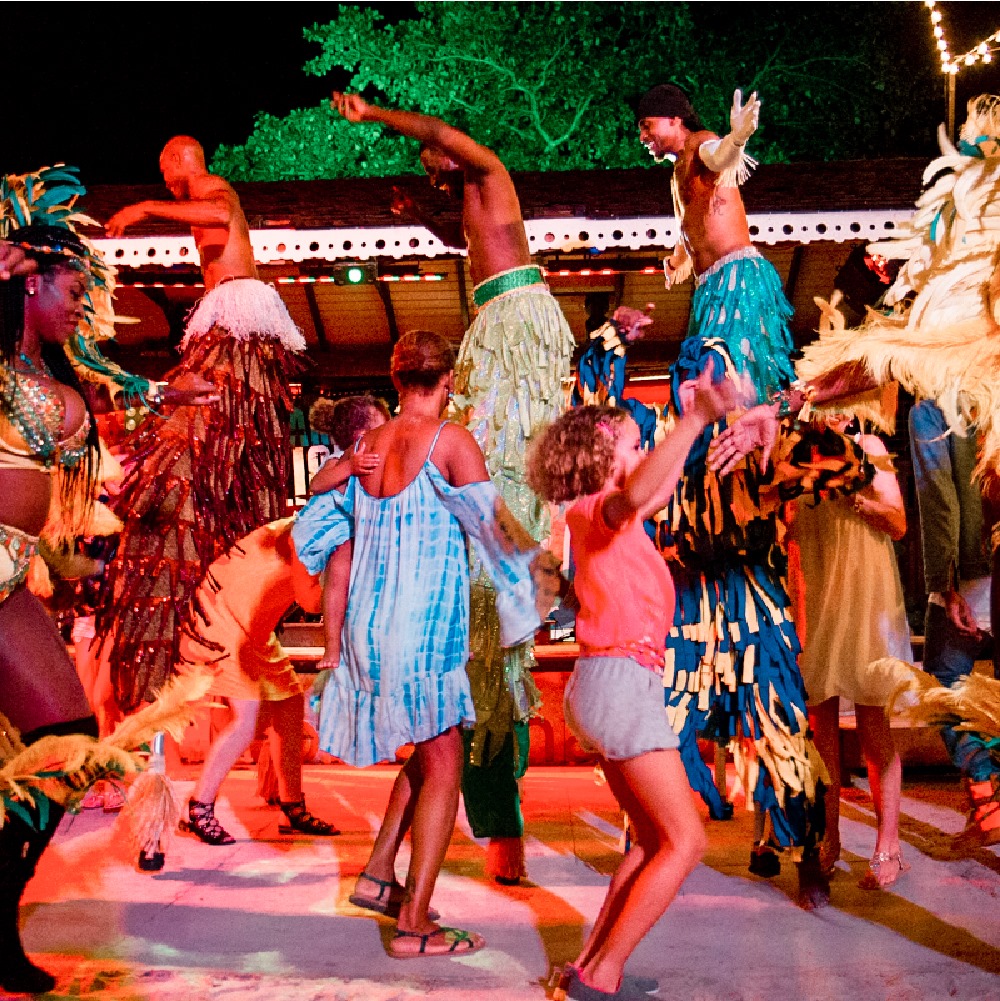
The Barbadian tuk band combines lively percussion and melody, traditionally featuring a bass drum, kettle drum and pennywhistle. Its sound reflects both African rhythmic traditions and the influence of British military bands. Tuk performances often include costumed characters such as the shaggy bear, Mother Sally and stilt walkers.
Spouge
Spouge is a distinctly Barbadian popular music form associated especially with the late Jackie Opel. It blends Caribbean rhythms and global musical influences while maintaining a recognisable Bajan identity. Although it is less commercially dominant today, it remains an important part of the island’s musical heritage.
Calypso and Soca
Calypso has long provided a platform for social commentary, humour, political observation and storytelling. Soca drives the energy of Crop Over, fetes, road events and celebrations. Barbados has produced internationally recognised artists while maintaining a strong local tent, competition and festival culture.
The official tourism guide’s overview of Bajan music highlights the importance of soca, calypso, steel pan and tuk sounds across the island.
Crop Over: Barbados’ Greatest Cultural Celebration
Crop Over is Barbados’ premier national festival. Its roots are connected to the end of the annual sugar cane harvest, when the completion of the crop was marked by celebration. The modern festival has developed into a broad season of music, visual art, culinary events, heritage activities, competitions, parties and masquerade.
Crop Over is sometimes described simply as Barbados’ carnival, but that description does not capture its full meaning. The season brings together history, creativity, community pride and contemporary entertainment. Calypsonians perform social and political commentary, soca artists release new music, designers create elaborate costumes and communities participate in events across the island.
Foreday Morning
An early-morning street procession featuring music, paint, powder, mud and energetic revellers moving behind music trucks.
Grand Kadooment
The major costumed parade traditionally held on the first Monday in August, bringing bands, dancers, soca and spectacular visual design to the road.
Calypso Competitions
Artists use wit, melody and commentary to address social issues, politics, humour and the everyday experiences of Barbadians.
Heritage and Community Events
Craft, food, folk performance, exhibitions and family activities preserve the cultural depth behind the festival.
Festival dates and event formats can change each year. Travellers should consult the National Cultural Foundation and official tourism listings when planning a Crop Over visit.
Need Crop Over Transportation?
Sweet Life Tours provides group and event transportation for visitors who want to enjoy festivals, parties and cultural events without worrying about driving or coordinating several vehicles.
Explore group transfer services or request a customised arrangement.
Bajan Food, Rum Shops and the Culture of Hospitality
Food is one of the easiest and most enjoyable ways to understand Barbados. Traditional meals reflect the island’s African heritage, colonial history, farming traditions, fishing communities and skill in transforming simple ingredients into deeply flavoured dishes.
Flying fish and cou-cou is the national dish, while fish cakes, cutters, macaroni pie, pudding and souse, rice and peas, breadfruit, plantain, cassava pone, conkies and black cake each have a place in Bajan culinary memory. Saturday food traditions, Sunday family meals and holiday dishes create rhythms that continue across generations.
The Bajan Rum Shop
Rum shops are neighbourhood social spaces where people gather to talk, play dominoes, eat, debate current affairs and enjoy a drink. Some are simple roadside buildings, while others have grown into well-known food and entertainment spots. Visitors should remember that these are authentic community businesses, not staged attractions.
Oistins and the Fishing Tradition
Oistins Bay Gardens is among the island’s most popular cultural food experiences. The Friday-night fish fry combines fresh seafood, music, dancing, crafts and an informal atmosphere shared by locals and visitors.
For a deeper culinary guide, read Sweet Life Tours’ companion article on Authentic Culinary Experiences in Barbados.
Chattel Houses and Traditional Barbadian Architecture
The chattel house is one of the most recognisable symbols of Barbadian built heritage. These wooden homes developed in a society where many formerly enslaved workers owned their houses but not the land beneath them. The buildings could therefore be dismantled and moved when necessary.
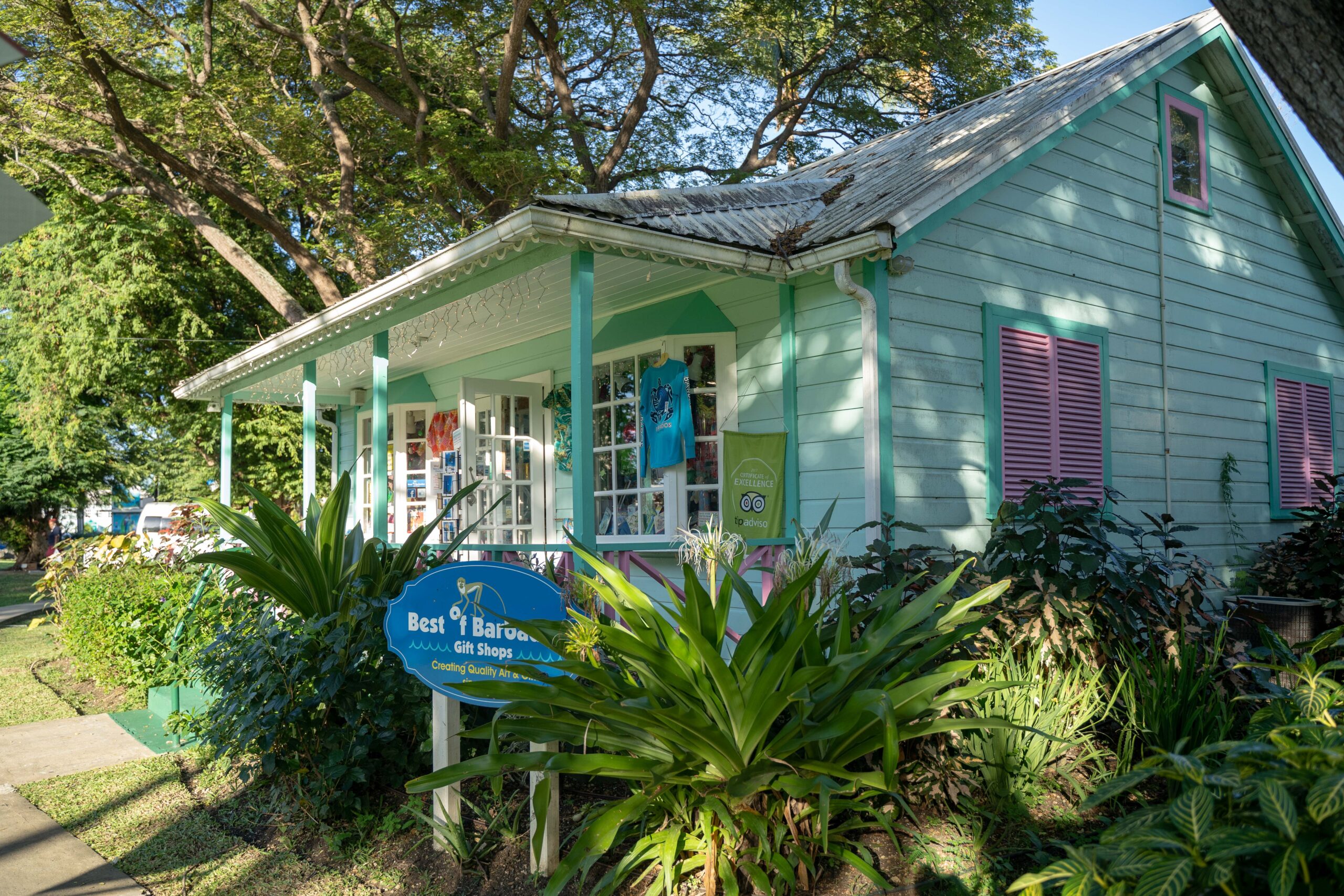
Traditional chattel houses often feature steep roofs, symmetrical fronts, decorative fretwork, small windows and later extensions added as a family’s resources grew. Their design reflects both economic conditions and local adaptation to climate. Although many have disappeared or been modernised, surviving examples remain an important visual link to post-emancipation life.
Stone plantation houses, churches, military buildings, warehouses and Georgian commercial structures tell other parts of the island’s architectural story. A guided cultural tour helps visitors understand how these buildings relate to labour, class, trade, faith and community development.
Chattel Village, Holetown
Chattel Village presents shops in colourful buildings inspired by traditional chattel-house design. While it is a modern commercial attraction, it offers an accessible introduction to this distinctive architectural style.
Cricket, Road Tennis and Sporting Pride
Sport occupies a special place in Barbadian culture. Cricket is the most internationally recognised example. Barbados has produced an extraordinary number of outstanding cricketers, and the game is played in schools, clubs, communities, pastures and formal grounds.
Kensington Oval is the island’s most famous cricket venue and a symbol of West Indian sporting history. Even visitors who do not follow the sport can appreciate its cultural importance.
Road Tennis
Road tennis was developed in Barbados and remains one of the island’s most distinctive sporting traditions. The game uses a small wooden racket, a low net and a marked court that can be set up on a road, schoolyard or community space. It combines quick reflexes, strategy and an energetic spectator atmosphere.
More Than Competition
Sports clubs also serve as social institutions. They connect generations, mentor young people, organise community activities and build local identity. Football, athletics, swimming, motorsport, surfing, netball and other sports also contribute to national life.
Art, Craft, Dance and Oral Tradition
Bajan culture is preserved not only in museums but through creative practice. Pottery, basketry, jewellery, painting, sculpture, textile work, mahogany carving and other forms of craft reflect local materials, history and imagination.
Dance and theatre allow artists to explore African heritage, Caribbean identity, politics, folklore and contemporary life. Storytelling, proverbs, songs and spoken memories also preserve knowledge that may never have been formally written down.
Pelican Village
Pelican Village, near Bridgetown, is associated with local artisans and handmade products. Visitors may find paintings, jewellery, pottery, textiles, straw work and other Barbadian craft items.
National Cultural Foundation
The National Cultural Foundation of Barbados supports the preservation and development of tangible and intangible heritage, artistic expression and cultural industries. Its programmes and events provide useful insight into the island’s evolving creative landscape.
Best Places to Experience Barbados Culture and Heritage
Visit the official website
View UNESCO information
Explore St. Nicholas Abbey
View on Google Maps
View on Google Maps
View on Google Maps
See Barbados with Local Context
Sweet Life Barbados Island Tours offers narrated island experiences that connect historic landmarks, communities, scenery and local stories. Private and group arrangements allow routes to be adapted around heritage, food, photography, rum, festivals or a general introduction to the island.
How to Experience Bajan Culture Respectfully
Start with a Greeting
A courteous greeting before asking for help, directions or service is an important part of respectful interaction.
Ask Before Photographing
Always seek permission before photographing individuals, vendors, worshippers or private homes.
Support Local Businesses
Purchase from local cooks, artisans, guides, farmers, shops and community-based attractions whenever possible.
Remember That Communities Are Not Exhibits
A village, rum shop, church, market or fishing area is part of someone’s everyday life. Travel with curiosity, but avoid treating residents as entertainment. Listen, ask thoughtful questions and follow the guidance of your host or tour guide.
Learn the Story, Not Only the Photo
Beautiful buildings, colourful costumes and scenic locations become more meaningful when their historical and cultural context is understood. A knowledgeable guide can explain what happened in a place, who shaped it and why it matters today.
Leave Room for Spontaneity
Some of the best Bajan cultural moments are unplanned: a roadside conversation, a cricket match on a pasture, a tuk band passing through a community or a recommendation from a local cook. A flexible itinerary makes space for discovery.
Frequently Asked Questions About Bajan Culture
What does the word “Bajan” mean?
“Bajan” is the familiar term for a Barbadian person and is also used to describe the language, food, music, traditions and other things associated with Barbados.
What is Barbados best known for culturally?
Barbados is known for Crop Over, calypso and soca, tuk bands, cricket, road tennis, rum, chattel houses, traditional cuisine, strong educational traditions and Historic Bridgetown and its Garrison.
When is the best time to experience Bajan culture?
Bajan culture can be experienced throughout the year. Crop Over brings the greatest concentration of festival activities during the summer, while Christmas, Independence season, the Holetown Festival, Oistins Fish Festival and community events offer other cultural opportunities.
Is Bajan a separate language?
Bajan is a Caribbean English-based creole with its own sound patterns, grammar, vocabulary and cultural meanings. Many Barbadians move easily between Bajan speech and Standard English depending on context.
What is a tuk band?
A tuk band is a traditional Barbadian musical ensemble generally featuring bass drum, kettle drum and pennywhistle. It may be accompanied by costumed folk characters and dancers.
Can Sweet Life Tours arrange a cultural itinerary?
Yes. Sweet Life Barbados Island Tours offers narrated tours and can discuss private or group routes built around history, heritage attractions, local food, rum, communities and scenic landmarks.
Experience the Heart of Barbados
Go beyond the beach and discover the stories, traditions, flavours and communities that make Barbados unforgettable.
Request a Cultural Tour Browse Island ToursCall +1 (246) 435-4449 | WhatsApp +1 (246) 823-4449 | Email info@sweetlifetoursinc.com
Publisher note: Festival schedules, attraction hours, admission requirements and tour availability may change. Confirm details directly before travelling.